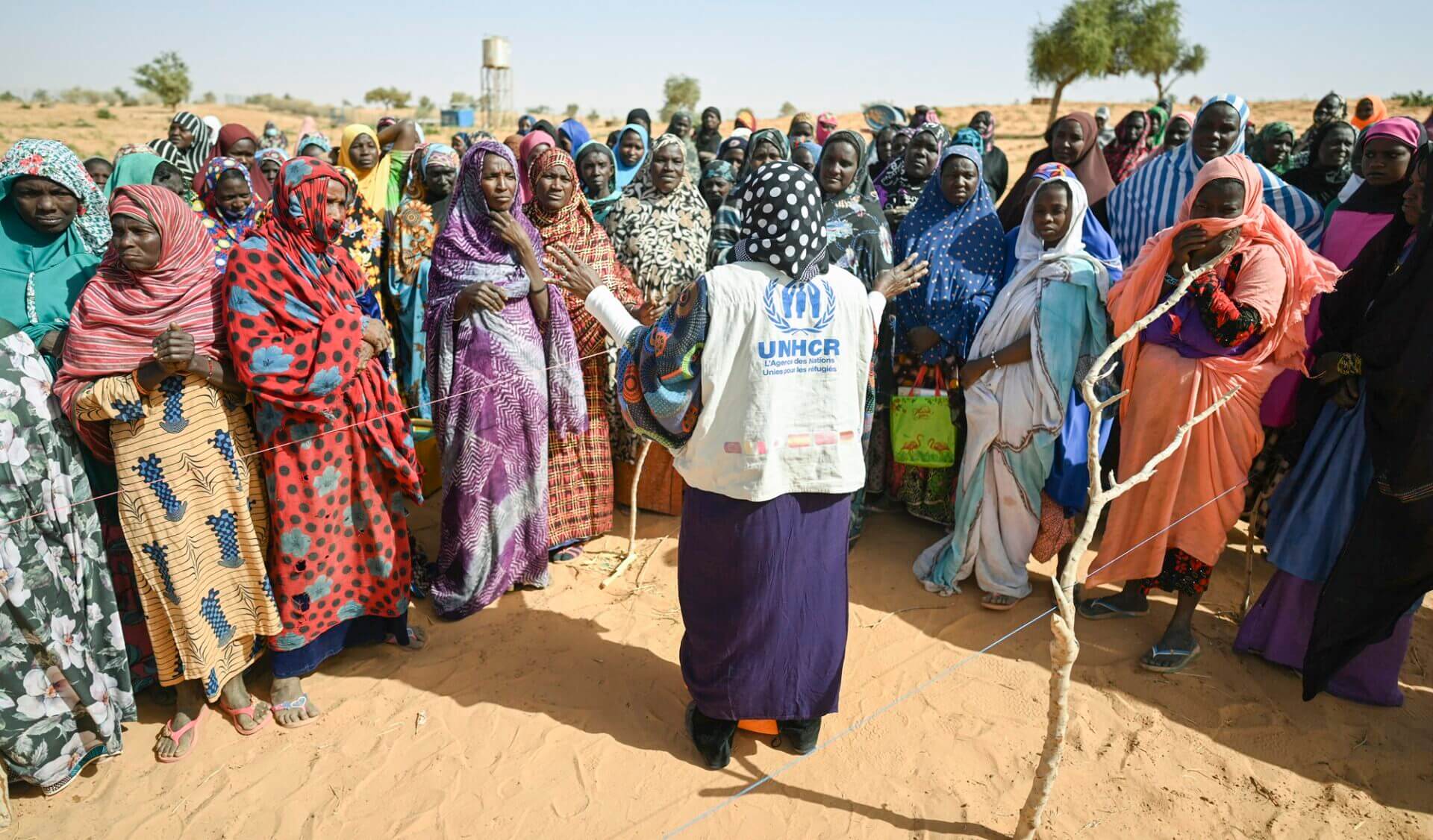
Who steps in to help? Professionals trained in Social Sciences and Community Development. At Bridge College Kenya, we prepare you for that crucial role. Let’s dive into how social sciences education can shape your future—and how we can help you get there. What Are Social Sciences? Social sciences focus on understanding human behavior, societies, and institutions. They provide insights into what drives social change and how communities can be strengthened through education, policies, and advocacy. Fields like: Social Work Community Development Public Health NGO Management …are all part of the social sciences umbrella. Why Study Social Sciences at Bridge College Kenya? Affordable & Flexible Learning Practical Fieldwork Opportunities Expert Faculty & Mentors Accredited Certifications (KNEC, ABMA, BCEB) Easy Entry Requirements (starting from KCSE D+) Whether you’re just starting or looking to specialize, we have a path for you. Real Skills for Real-World Impact Our programs don’t just teach theory—they build careers. You’ll gain skills in: Community needs assessment Strategic planning Counselling & psychosocial support Disaster preparedness Project proposal development The Role of Social Science Graduates Social scientists are not just thinkers—they are doers. You’ll find our alumni working in: Government agencies Nonprofits and NGOs Public health offices Educational institutions Emergency response units FAQs Q1: What is the minimum entry grade for your programs?For certificate programs, it’s KCSE D+. Diploma requires KCSE C- or a certificate pass. Q2: How long are your courses?Most certificate and diploma programs last 1–2 years. Short courses are 3 months. Q3: Can I get international certification?Yes. ABMA and BCEB are internationally recognized. Q4: Are your courses suitable for beginners?Absolutely. Many of our students are fresh from high school or new to social work. Q5: Do your courses include internships?Yes. Practical exposure is a key part of our curriculum. Q6: Where is your campus located?We are located in Nairobi, easily accessible by public and private transport. Bridge College Kenya, we help you turn your passion into a profession with our tailored programs in Social Sciences and Community Development.
Empowering Communities Through Education — Start Your Journey in Social Work at Bridge College Kenya
Are you passionate about making a difference in society? Do you dream of working in communities, empowering people, and bringing sustainable change? At Bridge College Kenya, our programs in Community Development and Social Work are tailored to help you achieve those dreams. In this blog, we’ll explore everything you need to know about studying community development and how you can kickstart a rewarding career in this field. Why Choose a Career in Social Sciences and Community Development? Community development is more than a job—it’s a mission. In Kenya and across the globe, there is a growing need for trained professionals who can tackle poverty, inequality, health crises, and social injustices. Whether you’re interested in working for NGOs, public health institutions, or grassroots organizations, our courses prepare you to lead positive change. Courses Offered at Bridge College Kenya Course Name Entry Level Duration Exam Body Certificate in Community Development & Social Work KCSE D+ (Plus) 4 Terms KNEC Diploma in Community Development & Social Work KCSE C- (Minus) or Cert Pass 6 Terms KNEC Professional Diploma in Public Health Management (Level 1–3) KCSE D+ (Plus) 9 months per level ABMA Short Course in CBO & NGO Management KCSE/O Levels 1 Term BCEB Short Course in Proposal Writing KCSE/O Levels 1 Term BCEB Short Course in Project Management KCSE/O Levels 1 Term BCEB Short Course in HIV/AIDS Management KCSE/O Levels 1 Term BCEB Short Course in Disaster Management KCSE/O Levels 1 Term BCEB Short Course in Guidance & Counselling KCSE/O Levels 1 Term BCEB Program Highlights Certificate in Community Development & Social Work This course offers a foundation in social work principles, community dynamics, and field engagement strategies. Ideal for students with KCSE D+, it’s a stepping stone to a diploma or direct employment in community-focused organizations. Diploma in Community Development & Social Work With a deeper focus on planning, policy, and administration, diploma students are equipped for mid-level roles. A KCSE C- or a pass in the certificate program is required to join. Professional Diploma in Public Health Management This three-level diploma from ABMA (UK) offers advanced skills in public health planning, health systems, and crisis response. Each level runs for 9 months. Short Courses for Quick Skill Boosts Our 1-term (3-month) short courses are ideal for professionals or students seeking to upgrade skills in proposal writing, project management, disaster response, or counseling. Career Opportunities After Graduation Graduates can pursue jobs like: Community Development Officer Social Worker NGO Program Assistant Project Manager Public Health Manager HIV/AIDS Counselor Many of our alumni work with top NGOs, government departments, and international relief organizations. FAQs Q1: Can I progress from Certificate to Diploma?Yes! Students who complete the Certificate with a pass can directly join the Diploma program. Q2: Do short courses have certifications?Absolutely. Each short course offers a recognized certificate by BCEB. Q3: Can I take classes while working?Yes, we offer flexible schedules for professionals. Q4: Is financial aid available?Contact our admissions office to learn about scholarships and payment plans. Q5: What kind of fieldwork is included?Students participate in internships, community projects, and field-based research. Q6: Are your courses accredited?Yes. All our programs are accredited by KNEC, ABMA, or BCEB. The world needs more changemakers—and Bridge College Kenya is here to shape them. Whether you’re fresh from high school or a professional looking to upskill, our courses in Community Development and Social Work offer the perfect blend of knowledge, practice, and purpose.

Business Management Course : Diploma in Business Management Course in Kenya – Build Leadership Skills for a Successful Career
Introduction Every business needs great leaders. Whether it’s a small startup, a mid-sized company, or a multinational, effective management drives growth, performance, and innovation. The Diploma in Business Management Course in Kenya offered by Bridge College equips learners with real-world skills to thrive in a wide range of business environments—from entrepreneurship to public sector administration. What is Business Management? Business management involves planning, organizing, staffing, directing, and controlling resources to achieve organizational goals. It combines analytical thinking, strategic planning, leadership, and interpersonal skills to guide operations across departments like HR, finance, and marketing. About the Diploma Program Course Title Diploma in Business Management Entry Requirement KCSE C- (Minus) or Certificate Pass Duration 6 Terms (Approx. 2 years) Exam Body Kenya National Examinations Council (KNEC) This diploma builds on foundational knowledge and is suitable for both fresh school leavers and certificate holders aiming to advance. Skills You Will Learn The course covers a range of professional skills, including: Strategic planning and decision-making Financial analysis and budgeting Human resource management Customer relationship management Marketing strategy and product development Business communication and ethics These skills are transferable across industries and sectors. Subjects and Curriculum The program includes coursework and projects in: Principles and Practices of Management Business Law Business Communication Financial Accounting Economics Marketing Management Human Resource Management Strategic Management Entrepreneurship and Innovation Practical case studies and real business simulations ensure learners graduate with experience, not just theory. Why Choose Bridge College Kenya? Bridge College offers a dynamic and supportive environment for business studies: Industry-Focused Trainers: Professionals with corporate and entrepreneurial experience Project-Based Learning: Create real business plans and conduct market research Mentorship & Career Guidance: Help in CV writing, interviews, and internships Modern Resources: Access to business software, digital marketing tools, and libraries Ideal Candidates This program is perfect for: High school graduates with KCSE C- or equivalent Certificate holders in business-related fields Entrepreneurs who want to formalize their skills Employees seeking promotion or a formal qualification Career Opportunities After Graduation Diploma holders are equipped for roles such as: Sector Job Title Retail & Wholesale Branch Manager, Operations Officer Finance & Banking Client Relations Assistant, Credit Officer Government Administrative Assistant, Procurement Clerk NGOs Program Assistant, Field Operations Officer Private Business Marketing Officer, HR Assistant Self-Employment Small Business Owner, Startup Founder Options for Further Study After completing the diploma, students can pursue: Higher Diplomas in Business or Strategic Management Bachelor’s Degrees in Commerce, Business Administration, or related fields Short professional certifications (e.g., CPA, CIM, HRM) FAQs About the Diploma in Business Management Q1: Can I study this course part-time?Yes. Bridge College offers both full-time and part-time study modes. Q2: Is the diploma recognized nationally?Absolutely. It’s examined by KNEC and accepted across Kenya and East Africa. Q3: Can I start a business after this course?Yes. Entrepreneurship is a core unit, and students graduate with a business plan. Q4: Are internships included?Yes. Industrial attachment is part of the final term. Q5: Do I need a computer to study this course?While not mandatory, computer literacy helps. Bridge College provides computer lab access. Q6: What is the difference between a diploma and a degree in business?A diploma is shorter, more practical, and job-ready. A degree is broader and takes longer to complete. Conclusion The Diploma in Business Management Course in Kenya is a smart choice for anyone looking to lead, manage, or innovate in today’s business world. With a balance of theory and practice, and support from expert trainers, Bridge College is committed to turning students into business-savvy professionals. Whether your goal is a corporate career or entrepreneurship, this diploma opens the door.

Certificate in Front Office Operations Course in Kenya – Step Into Hospitality with Confidence
Front office professionals are the face of any organization. From hotels to hospitals, schools to corporate firms, front office personnel play a critical role in creating positive first impressions, managing communications, and handling customer queries. The Certificate in Front Office Operations Course in Kenya is your gateway to the world of hospitality, administration, and customer service. What is Front Office Operations? Front Office Operations covers all customer-facing activities and reception duties in a business setting. These include: Greeting and guiding guests Handling inquiries and complaints Managing bookings and appointments Operating phone systems and databases It requires communication, organization, and a service-oriented mindset—skills highly valued across many industries. About the Certificate Course Course Name Certificate in Front Office Operations Entry Level KCSE D+ (Plus) Duration 2 Terms (Approx. 6 months) Exam Body Kenya National Examinations Council (KNEC) This course is ideal for entry-level learners seeking quick employment or a stepping-stone to further hospitality studies. Core Skills You Will Gain By the end of this course, you will be proficient in: Verbal and written communication Telephone and email etiquette Booking and scheduling tools Office automation (MS Office & hospitality software) Conflict resolution and customer care Subjects and Learning Areas The course includes practical and theoretical units such as: Front Office Operations Business Communication Information and Communication Technology Life Skills and Customer Care Entrepreneurship Professional Etiquette These areas are designed to help students work confidently in busy and professional environments. Why Choose Bridge College Kenya? Bridge College provides an ideal setting to launch your front office career: Experienced Trainers: With real-world hospitality and office admin backgrounds Hands-On Learning: Simulated front desk setups and client interaction role plays Career Support: Internship placements and job linkage assistance Flexible Class Schedules: Weekday and weekend options available Who Can Join the Course? This course is perfect for: KCSE graduates with a D+ and above Young professionals seeking admin or hospitality skills Career switchers entering customer-facing roles Career Opportunities After the Course Graduates are qualified for roles in: Sector Job Title Hotels & Lodges Receptionist, Guest Relations Assistant Hospitals & Clinics Front Desk Assistant, Appointment Clerk Schools & Colleges Admissions Clerk, Office Assistant Corporate Offices Admin Assistant, Customer Service Officer The front office is often the entry point into long-term administrative or management roles. Pathways for Advancement After this certificate course, learners can upgrade to: Diploma in Front Office and Administration Diploma in Business Management Hospitality and Hotel Management Diplomas Bridge College supports academic progression and career growth through mentorship and additional programs. FAQs About Front Office Operations Course Q1: Do I need hospitality experience to join?No. This course is designed for beginners. Q2: Is this course suitable for someone who wants to work in an office?Yes. It prepares you for both hospitality and office environments. Q3: Are computer skills taught in the course?Yes. You will learn basic ICT and software used in front office operations. Q4: What makes Bridge College different?Personalized support, experienced trainers, and industry-relevant training. Q5: Can I study while working?Yes. Part-time classes are available. Q6: Is the course recognized nationally?Yes. It is examined and certified by KNEC.

Artisan in Storekeeping Course in Kenya – Start Your Career in Inventory Management Today
Introduction Every thriving business depends on efficient inventory and store control. From supermarkets to manufacturing plants, storekeeping plays a vital role in operations. If you’re eager to join this crucial segment of the workforce, the Artisan in Storekeeping Course in Kenya at Bridge College provides the perfect launchpad. What is Storekeeping? Storekeeping involves managing and tracking inventory, supplies, and equipment. It ensures businesses avoid stockouts, minimize waste, and maintain operational flow. Storekeepers are the behind-the-scenes heroes of logistics, retail, construction, and even government offices. About the Artisan in Storekeeping Course This course offers foundational skills and practical knowledge in inventory management. Details Information Entry Requirement KCSE D- (Minus) or below Duration 2 Terms (Approximately 6 months) Exam Body KNEC – Kenya National Examinations Council This course is ideal for high school leavers or anyone looking to quickly acquire job-ready skills in the storage and warehousing sector. Skills You Will Learn Upon completing the Artisan in Storekeeping course, students will be proficient in: Stock Receiving and Issuing Bookkeeping and Inventory Records Warehousing Principles Use of ICT in Inventory Control Safety and Security of Stores Communication and Customer Service These practical skills are tailored to meet the needs of employers in various industries. Course Structure You’ll study a mix of theoretical knowledge and hands-on practicals. Key units include: Introduction to Storekeeping Office Procedures and Bookkeeping ICT Applications in Stores Entrepreneurship and Communication Skills Occupational Health and Safety Why Choose Bridge College Kenya? At Bridge College, we emphasize practical, real-world training: Qualified Trainers: Experienced in logistics and business operations Modern Learning Tools: ICT integration for storekeeping Personalized Support: Small classes for focused mentorship Affordable Fees: Flexible payment plans available Who Should Enroll? This course is ideal for: Form four leavers looking for a marketable skill Anyone with KCSE D- or below seeking employment quickly Entry-level professionals in retail or stock management roles Career Opportunities After Completion Graduates of this program are qualified for jobs such as: Job Title Industry Store Assistant Supermarkets, wholesalers Inventory Clerk Hospitals, schools Stock Controller Construction companies Warehouse Assistant Logistics firms These roles can also lead to supervisory positions with experience and further study. Advancing Beyond Artisan Level Students can progress to: Certificate in Supply Chain Management Certificate in Business Management Diploma programs in procurement or logistics Bridge College supports upward academic mobility through structured learning paths. FAQs About Artisan in Storekeeping Q1: Do I need any experience to enroll?No, this is a beginner-level course. Q2: Can I find a job immediately after completing this course?Yes, the skills taught are practical and in demand across various sectors. Q3: Is this course recognized?Absolutely. It’s examined by KNEC, a national regulatory body. Q4: Can I study part-time or on weekends?Yes, flexible learning options may be available. Q5: Is there hands-on training involved?Yes, students participate in simulations and practical storekeeping tasks. Q6: What’s next after completing this artisan course?You can upgrade to a Certificate or Diploma program in related fields. Conclusion Whether you’re starting your career or pivoting into a new field, the Artisan in Storekeeping Course in Kenya is a smart, practical choice. With strong demand in retail, healthcare, education, and logistics, your path to employment starts with just two terms of focused training at Bridge College. Don’t wait—step into your future today.

Cyber Security and Computer Forensics Courses in Kenya – Defend the Digital World
Introduction With the digital revolution comes a dark side—cybercrime. From phishing scams to data breaches and ransomware attacks, organizations worldwide need cyber defenders more than ever. That’s why Cyber Security and Computer Forensics Courses in Kenya are among the most in-demand tech programs today. At Bridge College Kenya, you’ll learn how to ethically hack, defend systems, analyze threats, and trace digital footprints in the fight against cybercrime. Why Study Cyber Security and Digital Forensics? High Demand: Globally and locally, cybersecurity professionals are urgently needed. National Importance: Defending critical infrastructure and data is a priority. Financial Growth: Cybersecurity jobs are among the highest-paid in tech. Cyber Security & Forensics Courses Offered at Bridge College Kenya We offer both complete programs and specialized unit courses in digital defense. Course Duration Wifi (Ethical) Hacking 12 weeks Anonymous Browsing 12 weeks Wireshark 8 weeks Burp Suite (Web Bug Bounty) 12 weeks Hacking APIs 8 weeks Mobile App Hacking (Android & iOS) 12 weeks Mobile Security 12 weeks Phishing Techniques 16 weeks Digital Forensics 12 weeks A+ (CompTIA) 16 weeks N+ (CompTIA) 16 weeks WiFi Hacking and Anonymous Browsing Learn how cyber attackers penetrate wireless networks and how professionals protect them. Wireless encryption, sniffing, spoofing VPNs, Tor, proxy chains for anonymity Penetration testing tools Bug Bounty & Web Hacking with Burp Suite Enter the exciting world of bug bounty programs and ethical web hacking. XSS, SQL injection, CSRF attacks Using Burp Suite to test vulnerabilities Legal hacking for platforms like HackerOne Mobile App Hacking and Security Mobile devices are common targets—this course teaches you how to: Exploit mobile OS weaknesses Analyze Android and iOS applications Build safer mobile apps Programming for Cyber Security Secure coding and script automation are key skills. Language Use Case Python Scripting, network tools JavaScript Browser-based hacking C++ Low-level exploit development Golang Fast, scalable security tools All courses last 16 weeks and emphasize real-world projects. Digital Forensics & Ethical Hacking Investigate and analyze cyber incidents. Data recovery and preservation Evidence tracing and malware analysis Using forensic tools and understanding legal frameworks Operating Systems & Linux for Security Experts Master ethical hacking OS like: OS Duration (Weeks) Kali Linux 4 Ubuntu Linux 4 RedHat Linux 4 Windows 10 & 11 4 each Linux mastery is a core skill in all cybersecurity careers. Comptia A+ & N+ for Cyber Fundamentals For those new to IT or cybersecurity: A+: Hardware, software, troubleshooting N+: Networking protocols, routing, wireless tech Foundational for anyone building a long-term tech career. Who Can Enroll? Perfect for: Beginners with interest in cyber defense Tech-savvy professionals upskilling for the digital age Recent ICT graduates entering the job market Law enforcement or private investigators looking to specialize Duration and Course Options Short unit courses: 8–12 weeks Full foundational programs: 16 weeks Flexible intakes and weekend/evening classes available Career Opportunities in Cyber Security Sector Job Roles Government SOC Analyst, Cybercrime Investigator Finance & Banking IT Security Officer, Compliance Auditor Telecoms Network Security Analyst Private Sector Penetration Tester, IT Forensics Consultant Freelance Ethical Hacker, Bug Bounty Hunter Bridge College’s Advantages in Cyber Security Training Hands-On Labs: Simulate real-world attacks and defenses Expert Trainers: Certified professionals with field experience Career Guidance: Job placement support and CV prep Certifications: Globally recognized credentials from CompTIA and more FAQs About Cyber Security and Forensics Courses Q1: Do I need an ICT background to enroll?No. Beginners can start with foundational courses like A+ and Digital Forensics. Q2: Will I be hacking real websites?Only simulated environments and legal bounty platforms. Q3: Are certifications issued after completion?Yes, including internal and external certifications. Q4: Can I work remotely in cybersecurity?Absolutely. Many cyber roles are remote. Q5: How do I specialize after the basics?We offer advanced courses in ethical hacking, mobile security, and cyber programming. Q6: Is the training recognized internationally?Yes. We offer industry-standard certification paths like CompTIA, Linux, and ethical hacking tools. Conclusion Cyber threats won’t stop—but you can learn to stop them. By enrolling in Cyber Security and Computer Forensics Courses in Kenya at Bridge College, you gain the power to protect systems, people, and data. Whether your passion is ethical hacking, network security, or digital investigation, your future in cybersecurity begins now.

Web Development and Software Programming Courses in Kenya – Learn to Code and Build the Future
Introduction The digital age is driven by code. From mobile apps to websites and enterprise software, everything runs on programming. Whether you dream of creating the next big startup or working for top tech firms, knowing how to code is a superpower. Bridge College Kenya offers hands-on Web Development and Software Programming Courses in Kenya that help you break into the tech world confidently. Why Choose Web and Software Development Courses? High Demand: Coders are needed across all industries Freelance Flexibility: Work from anywhere as a remote developer Endless Learning: Constant updates and new tools make tech exciting Creative and Logical: Blend of imagination and structured problem-solving Programming Courses Offered at Bridge College Kenya You can choose between: Structured Programs: Web Development (3–12 months), Software Engineering (10 months) Short Single Modules: Learn one language or tool at a time All courses are practical and project-based. Web Development Courses Learn how to design, build, and deploy responsive websites. Course Duration (Weeks) HTML 4 CSS 8 JavaScript 10 WordPress 4 Skills You’ll Learn: Creating web pages using HTML Styling with CSS for modern UI/UX Adding interactivity using JavaScript Building dynamic websites with WordPress Advanced Frontend & Backend Technologies For intermediate to advanced learners ready to level up. Technology Duration (Weeks) React 12 Vue.js 12 Laravel 12 PHP 8 Use Cases: React & Vue for interactive UIs and SPAs PHP & Laravel for backend logic and web apps Build real websites, blogs, portfolios, and business platforms Software Development Packages Master full-fledged programming languages used across the tech world. Language/Framework Duration (Weeks) Python 12 Java 12 C++ 12 C# 12 VB.NET 12 Kotlin 12 Arduino 12 ASP.NET 12 Java Servlet 12 Project Outcomes: Desktop and mobile apps System utilities Game development basics API design Specialized Programming for Cybersecurity Want to secure systems or be a white-hat hacker? Learn to code for cyber defense. Special Course Duration (Weeks) Python for Cybersecurity 16 JavaScript for Cybersecurity 16 Golang for Cybersecurity 16 C++ for Cybersecurity 16 These courses focus on secure coding, vulnerabilities, exploit analysis, and automation for defense. Project-Based Learning Approach Every student works on: Real websites and apps Code versioning with Git/GitHub Debugging and testing projects Portfolio projects to show employers Who Should Enroll? This is perfect for: High school graduates with KCSE D+ and above University students looking for practical tech skills Career switchers moving from other fields Self-taught learners wanting structured mentorship Course Duration and Flexibility Short courses: 4–12 weeks (one skill/module) Comprehensive packages: 3–12 months Study: Weekday, evening, or weekend classes Career Opportunities After Completion After completing your training, you can work as: Web Developer Frontend/Backend Programmer Software Engineer Mobile App Developer Full Stack Developer Tech Entrepreneur Remote Freelancer Why Bridge College is Ideal for Aspiring Developers Qualified Instructors: Taught by real developers Coding Labs: Hands-on practice daily Capstone Projects: Build websites, apps, and portfolios Career Support: Internship and job placement help FAQs About Coding Courses at Bridge College Q1: I’m a beginner. Where do I start?Start with HTML, CSS, and JavaScript before moving to backend or full stack. Q2: Are classes online or on campus?Both options available. Choose what works best for you. Q3: Will I get a certificate?Yes, after completing each module or package. Q4: Can I take more than one language?Yes! Many students take full stack bundles. Q5: Is the training practical?Yes—80% of lessons are hands-on coding. Q6: Will I build real projects?Absolutely. Every course ends with a major project. Conclusion Learning to code unlocks endless career and creative possibilities. Whether you want to build beautiful websites or develop enterprise apps, Bridge College Kenya provides the tools, mentorship, and real-world practice to help you succeed. Enroll today in our Web Development and Software Programming Courses in Kenya—and start building the digital future!

Certificate and Diploma ICT Courses in Kenya – Build a Future-Ready Tech Career
Certificate and Diploma ICT Courses in Kenya – Build a Future-Ready Tech Career Meta Description: Explore top Certificate and Diploma ICT Courses in Kenya at Bridge College. Learn computer science, cyber security, programming, and engineering for a powerful digital career. Introduction Technology is evolving fast—and so is the job market. From mobile apps to digital security and network support, every industry today needs ICT professionals. If you’re passionate about computers, tech innovation, or problem-solving, Bridge College Kenya offers highly practical Certificate and Diploma ICT Courses in Kenya that can launch or elevate your tech career. Why Choose Certificate and Diploma ICT Courses? These courses: Provide hands-on ICT training and real-world problem-solving Open doors to both local and global job markets Enable students to specialize in various tech areas—from programming to cyber security and hardware engineering Programs Offered at Bridge College Kenya Bridge College runs accredited certificate and diploma programs under reputable exam bodies like KNEC, ICM, and ABMA. Course Name Entry Level Duration Exam Body Artisan in ICT/Storekeeping KCSE D- & Below 6 Months KNEC Certificate in ICT KCSE D (Plain) 4 Terms KNEC Diploma in ICT KCSE C- (Minus) 6 Terms KNEC Diploma in Computer Science & Cyber Security KCSE D+ (Plus) 4 Terms ICM Diploma in Professional Computer Engineering KCSE C- (Minus) 3 Terms/Level ABMA Diploma in Computer Programming KCSE D+ (Plus) 2 Terms ICM Certificate in ICT (KNEC) This 4-term program introduces students to: Networking basics Computer applications Operating systems Internet usage IT support and maintenance Ideal for: Beginners seeking entry-level roles in IT, data entry, or office tech support. Diploma in ICT (KNEC) The Diploma program goes deeper into core ICT areas: Networking and troubleshooting Software and hardware systems Web design and database management Programming in languages like Python and Java Graduates can work as: IT technicians Network administrators Systems analysts Junior software developers Diploma in Computer Science & Cyber Security (ICM) As data threats grow, companies need skilled cyber defenders. This course covers: Computer science fundamentals IT infrastructure and data protection Cyber crime prevention Secure programming Career options: Cyber security analyst, SOC technician, IT auditor. Diploma in Professional Computer Engineering (ABMA) A hardware and system-focused diploma broken into three progressive levels: Foundation (PC assembly, basic repairs) Intermediate (Networking, OS installation) Advanced (Systems integration, tech troubleshooting) Graduates work in: Hardware repair IT support teams Network installation and maintenance Diploma in Computer Programming (ICM) For students interested in coding and software logic. Skills Developed: Writing clean code in Python, Java, C++ Developing software and mobile apps Understanding algorithms and databases Job roles: Junior developer, app designer, software tester, coding instructor. Who Should Enroll? These diploma and certificate programs are ideal for: High school leavers with a KCSE D– to C– ICT certificate holders ready to advance Career changers moving into tech Entrepreneurs building tech startups Entry Requirements and Duration Artisan Level: KCSE D– and below (6 months) Certificate: KCSE D (4 Terms) Diploma: KCSE C– and above (4–6 Terms) Flexible intakes available throughout the year Career Opportunities After Graduation Graduates find employment in: Government ICT departments Private sector tech firms NGOs and international companies Freelancing and consultancy Roles include: ICT Technician IT Officer Systems Admin Cyber Security Assistant Software Developer Helpdesk Support Bridge College’s Unique Strengths Well-equipped computer labs Qualified instructors with industry experience Mentorship and project-based learning Internship and career support after graduation FAQs About Certificate and Diploma ICT Courses Q1: Can I study ICT if I’ve never used a computer before?Yes! Start with the Artisan or Certificate program. Q2: Are the programs examined nationally?Yes, KNEC, ICM, and ABMA are respected national and international exam bodies. Q3: Can I specialize in cyber security or programming later?Absolutely. We offer advanced diplomas and modular upskilling options. Q4: Do the courses include practical sessions?Yes—Bridge College emphasizes hands-on training and lab time. Q5: Are classes available part-time?Some programs have flexible schedules. Check with the admissions office. Q6: What’s the next step after a diploma?You can join advanced certification courses or pursue a degree. Conclusion Technology careers are not only in demand—they’re the future. By enrolling in Certificate and Diploma ICT Courses in Kenya at Bridge College, you’re building a solid foundation for success in today’s digital world. With expert training, practical labs, and marketable skills, your tech journey starts here.
Computer Packages and Short ICT Courses in Kenya – Build Practical Tech Skills Fast
Introduction In today’s digital world, computer literacy is no longer optional—it’s a necessity. Whether you’re applying for an office job, starting a business, or aiming to work remotely, having basic ICT skills can be a game-changer. At Bridge College Kenya, we offer a variety of Computer Packages and Short ICT Courses in Kenya tailored to help students gain practical knowledge in just a few weeks or months. Why Choose Short ICT Courses? Short ICT programs are designed for: Quick skill development Immediate employability Flexibility in learning (ideal for students, job seekers, and working professionals) With low entry barriers (most have open enrollment), they’re perfect for beginners and tech-curious learners. Computer Packages Offered at Bridge College Our Computer Applications Courses provide a solid foundation for office and clerical jobs. Module Duration MS Word 2 weeks MS Excel 3 weeks MS PowerPoint 2 weeks MS Access 3 weeks Typing & Keyboarding 2 weeks Complete Package 2-3 months Students learn: Document formatting Data entry and spreadsheet formulas Presentation design Database basics ICDL (International Computer Digital Literacy) ICDL is a globally recognized certification for computer literacy. Key Features: Modular-based learning (7 standard modules) Topics: Computer Essentials, Online Collaboration, Word Processing, Spreadsheets, Databases, Presentations, IT Security Perfect for office workers, administrators, and students Duration: Flexible – study one module at a time Typing and Keyboarding Skills Fast, accurate typing is still a top demand in the workplace. What You’ll Learn: Keyboard layout and finger positioning Speed-building drills Accuracy improvement techniques Ideal for secretaries, data entry clerks, and writers. Graphic Design Courses Want to explore your creative side? These tools are must-haves for aspiring designers: Software Duration Adobe InDesign 2 weeks Corel Draw 3 weeks Adobe Illustrator 2 weeks Adobe Photoshop 2 weeks Complete Graphic Design Package 3 months Career Paths: Social media design Poster/banner creation Branding and visual communication Video Editing and Animation Courses Enter the booming world of content creation and media production. Courses Offered: Video Editing: Adobe Premiere, Sony Vegas, Pinnacle (each 4 weeks) 2D & 3D Animation: Learn animation principles and software in 3 months Create YouTube videos, motion ads, and explainer animations for clients or personal projects. Computerized Accounting Packages Gain accounting skills useful for small business operations and finance departments. Software Duration QuickBooks 4 weeks Sage 4 weeks Tally ERP & Tally Prime 4 weeks each Advanced Excel 4 weeks Complete Package 3 months Perfect for: Bookkeepers Small business owners Cashiers and admin assistants Who Should Enroll? These courses are ideal for: High school leavers Job seekers wanting to boost their CV Entrepreneurs managing their own businesses Students interested in design, media, or accounting No experience required—just a willingness to learn. Duration and Flexibility Most courses range from 2 weeks to 3 months. Options include: Weekday and weekend classes Morning, afternoon, or evening sessions Open intakes every month Career Opportunities After Training With these short courses, you can confidently apply for jobs such as: Data entry clerk Office assistant Graphic designer Video editor Social media content creator Bookkeeper or cashier Or work freelance in tech, media, or accounting support roles. Why Study at Bridge College Kenya? Modern Labs: Updated software and computers Skilled Trainers: Industry experts and certified instructors Flexible Learning: Modular study system and weekend options Affordable Fees: Installment payment plans available FAQs About Computer Packages and Short ICT Courses Q1: Do I need a KCSE certificate to enroll?No. Most courses are open-entry. Q2: Are certificates issued after training?Yes, upon successful completion. Q3: Can I study part-time?Yes. Weekend and evening options are available. Q4: What if I want to study multiple packages?You can enroll in a complete bundle for a discounted price. Q5: Are these courses beginner-friendly?Absolutely. They start from the basics. Q6: Can I freelance after completing the course?Yes. Many of our graduates now offer freelance services online. Conclusion In just a few short weeks, you can gain the computer skills employers are looking for. Whether it’s creating beautiful designs, handling accounting software, or mastering Microsoft Office, Bridge College Kenya gives you the tools to succeed. Enroll in our Computer Packages and Short ICT Courses in Kenya and transform your future—fast.

IATA Certified Travel & Aviation Courses in Kenya – The Ultimate Pathway to a Global Career
Working in an airport, airline, or international travel company, IATA (International Air Transport Association) certification is your golden ticket. At Bridge College Kenya, we offer a wide range of IATA Certified Travel & Aviation Courses in Kenya, designed to prepare you for a truly global career. Why IATA Certification Matters Global Recognition: IATA certifications are recognized in over 100 countries. Industry Standard: These courses meet international benchmarks for airline and travel operations. Employment Advantage: Boosts your CV and positions you as a skilled, ready-to-work professional. List of IATA Courses Offered at Bridge College Kenya Course Name Entry Level Duration Foundation Diploma in Travel & Tourism KCSE D+ 4 Terms Consultancy Diploma in Travel & Tourism Pass in Foundation 2 Terms Diploma in Airline Cabin Crew/Hostess KCSE C- 4 Terms Diploma in Airport Operations KCSE D+ 4 Terms Air Cargo Introductory KCSE D+ 3 Terms Airline Customer Service KCSE D+ 2 Terms Global Distribution System (GDS) – Amadeus, Galileo KCSE D+ 3 Months Global Distribution Fares & Ticketing KCSE D+ 2 Terms Passenger Fares & Ticketing KCSE D+ 2 Terms Geography in Travel Planning KCSE D+ 3 Months Foundation Diploma in Travel & Tourism (Air Ticketing) This entry-level course is perfect for students starting in the travel business. Skills You’ll Learn: Basic air fare calculations Manual and electronic ticketing Reservation procedures using GDS Travel documentation and visa requirements Consultancy Diploma in Travel & Tourism (Air Ticketing) A step above the foundation, this course focuses on: Advanced GDS skills Complex fare construction Consultancy-level knowledge for working in or running a travel agency Diploma in Airline Cabin Crew/Hostess Train to become the face of the airline with this people-centered course. Key Modules: In-flight service procedures Passenger safety and emergency protocols Grooming and personal branding First aid and health Cabin crew graduates can apply to both local and international airlines. Diploma in Airport Operations If you love the buzz of an airport, this course is for you. Learn About: Ground handling procedures Check-in, boarding, and baggage handling Security procedures Passenger assistance and airport systems Air Cargo Introductory Course With e-commerce and logistics booming, cargo handling is in demand. You’ll Learn: Cargo documentation Warehouse handling procedures Dangerous goods awareness Air freight pricing Airline Customer Service Course Excellent service is the backbone of aviation. This course trains students to: Handle customer queries with professionalism Resolve conflicts calmly Assist passengers with special needs Deliver quality experiences at check-in, boarding, or inflight GDS (Amadeus, Galileo) & Ticketing Courses GDS systems are the backbone of travel agencies. Skills Covered: Creating and managing bookings Ticketing for flights, hotels, and car rentals Managing cancellations and refunds Reporting and accounting Geography in Travel Planning This short course is ideal for mastering: World time zones Climate and seasonality Destination pairing and itinerary design Perfect for aspiring travel agents and destination planners. Career Opportunities After Certification IATA certification opens doors in: Airlines (domestic and international) Airports Travel agencies Tour companies Freight and logistics firms Cruise ships and hospitality chains Why Choose Bridge College Kenya for IATA Training Accredited Center: Official IATA training partner Practical Learning: Real GDS simulations and ticketing labs Experienced Trainers: Taught by aviation professionals Job Placement Help: Internships and career guidance FAQs About IATA Courses Q1: Do I need to complete all IATA courses?No, choose based on your career path (e.g., Cabin Crew vs. Ticketing Agent). Q2: Can I take more than one IATA course?Yes! Many students start with a foundation and add specializations. Q3: Is IATA certification valid abroad?Absolutely. It’s recognized globally. Q4: What’s the minimum qualification?KCSE D+ (Plus) for most courses. Q5: Can I get a job immediately after training?Yes, many employers hire IATA-certified staff directly. Q6: Are short courses like GDS available on weekends?Bridge College offers flexible schedules for some short courses.